Hello and welcome to TeamKinetic’s monthly Newsletter.
This roundup is designed to keep you up-to-date with what’s going on at TeamKinetic, our partners, and across the third sector in general. So grab a brew and tuck into all the latest news.
We hope you find value in this TeamTalk. As always, we really appreciate feedback, so feel free to leave a comment, shoot over an email, or message via social media.
If you’d like to subscribe to the TeamTalk newsletter, please send an email over to me at alex@teamkinetic.co.uk, and we’ll get you on the list!
To read our roundup of stories we think you need to know about, click to go to the next page below, or choose a story from the list:
Over the last couple of years, we’ve jumped into the festival space, partnered with the Association of Independent Festivals, and gained a better insight into how the festival world operates. Naturally, we also wanted to explore the landscape of Festival Volunteering and see whether our digital approach fits into their world.
Since welcoming several new Music and Arts festivals as partners this year, I wanted to better support them by learning more about their day-to-day operations.
To do that, I decided to get involved myself.
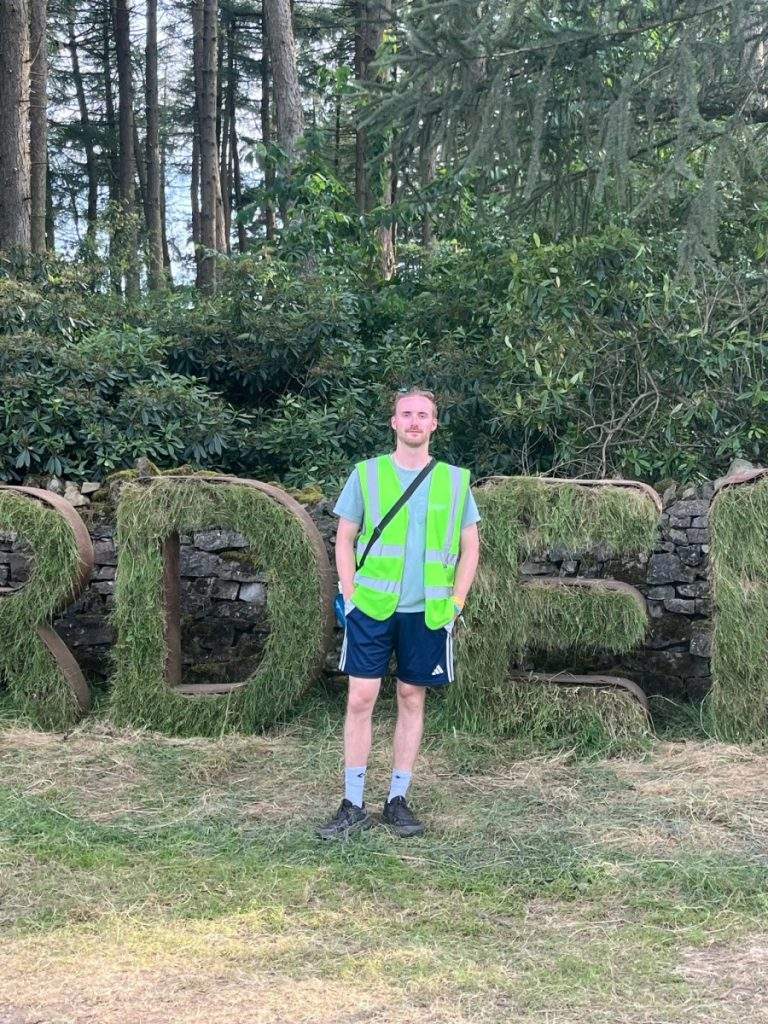
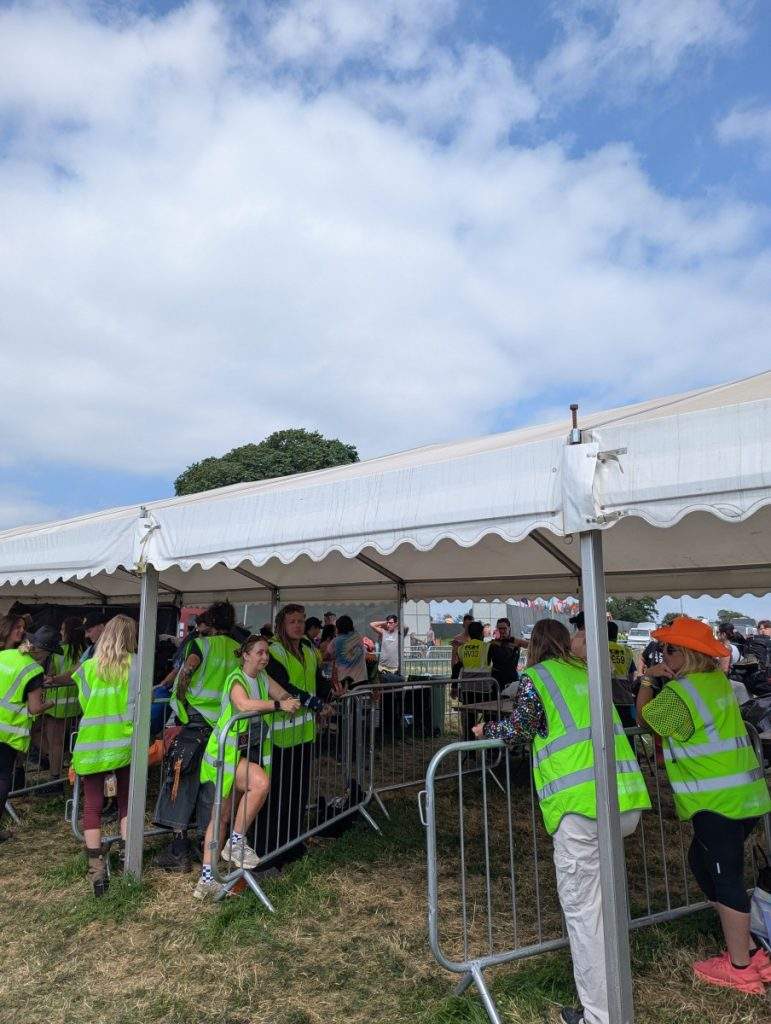
Over the summer, I signed up for two very different festivals and joined their volunteer teams, connecting with other volunteers and learning more about why they love these events.
The UK Festival Scene
The UK festival scene is a special and sentimental space for many of us, with roots stretching back to the Jazz and Folk events of the 1950s and 60s. The launch of Glastonbury Festival in 1970, then known as ‘Pilton Festival’, pioneered our modern concept of a festival, a movement that influenced the live music and arts industry globally.
Today, most people have a tale of that one heroic event that shaped them. Regardless of age and despite debates over which event was “better” or how things “used to be,” everyone I spoke to returns year after year for the same reasons: pure joy, connection, escapism, and a sense of freedom rarely found in everyday life.
Before discussing volunteering, we simply wanted to hear how long people had been involved in festivals and what their ‘why’.
“I’ve been attending for about 20 years. It’s the hedonism, the escape, the freedom, touching grass and dancing, the connection with like-minded people. Initially it was the music, but over time it’s definitely the least important factor. Spending time with loved ones in a beautiful space for escapism.”
“9 years. I love the separation from normal day to day life where you can relax, wander and wear outfits you enjoy that you don’t have an excuse to wear anywhere else.”
While I can’t compete with 20 years, I have 8 years of experience under my belt. For me, the main draw is complete immersion, an opportunity to disconnect from daily routine for 3 to 5 days while spending quality time with friends. The connections I’ve made while camping in fields have led to some of my longest-lasting friendships.
Why should we volunteer at festivals?
So why volunteer when you could just enjoy the music and all of the above?
Well, there’s one obvious reason: you often get a free ticket to the event, and with the cost of living rising, this prevents people from being priced out of the events they look forward to each year. It’s, of course, the most obvious reason from an outside perspective, since it’s easily measurable, but it was the immeasurable reasons people shared that felt the most genuine and impactful.
Volunteering became an extension of community and connection with volunteers prioritising the sense of belonging and the opportunity to meet new people, often forming long-lasting friendships with like-minded individuals and fellow crew members. One volunteer I spoke to had also used volunteering to open the door to countless new skills.
“I’ve helped build a bar from oak pieces, worked on that same bar, worked in kitchens, helped convince people to take their tents home and sort their rubbish for recycling, worked on decor, and helped run a workshop – all sorts!”
The reasons that people volunteer at festivals also vary by their age or life stage. On the final morning of Kendal Calling, I found myself sitting in the camp with some fellow volunteers whom I had recognised two weeks earlier at Beatherder. These guys knew the circuit and were part of the furniture as festival volunteers go, carrying nicknames people knew them by exclusively.
Their camp setup had been refined over the years, even including guitars and portable amplifiers to jam in the campsite; I couldn’t help but join in. One of them had retired and had met the other years earlier, while volunteering at another festival. Having reached the end of his career, what better way to spend time than travelling up and down the country meeting new people, sharing stories, and “having a right laugh” as he put it.
What I found most interesting personally was seeing the festival’s inner workings, the behind-the-scenes operations and different teams that bring it all to life. Combined with the staff campsite community, ‘Access most areas’ wristbands, and warm showers, it’s hard to go back to being a regular attendee.
The Dealbreakers
But it can’t all be positive, right? I also explored what holds people back from volunteering at festivals, and there’s a clear divide.
Some things are unavoidable, like missing parts of the show; there is a definite fear of missing out, which is why people often turn up a few hours early to claim favourable shifts. Another element that people reported holding them back in the past was the anxiety that stems from the fear of the unknown, but given that we spoke on the other side of that mental barrier, it’s clear it was worth it in the end.
On the flip side, some aspects felt avoidable. We explored the barriers to entry, i.e., financial requirements like deposits, complex application processes, and general hesitation about committing to an unknown experience. If you paired a festival with a modern system and some clear communication, could this be resolved? We’d like to think so. The above points are very volunteer-centric, and while we’re here to support volunteers, we also need to consider the challenges organisers face that contribute to these outcomes.
Volunteer management challenges
Quite by chance, I ended up chatting with a member of a management team who opened up about the hurdles organisers face. A major theme was the clunky, fragmented workflows and the weight of the admin. Without centralised digital tools ready to go, shift allocation and volunteer training often happened right on the ground. This created major bottlenecks and strained the accreditation and check-in process. Even though the events I joined were impressively managed, it became obvious how easily larger festivals, especially those with many new recruits, could quickly find themselves under serious pressure.
Collaborating to improve
For us, these challenges reinforce our need to support the sector. We believe that technology should not be an added burden, but the invisible thread that holds these operations together.
Through our partnership with the Association of Independent Festivals (AIF), we aim to create a modern, accessible platform that connects festivals through a centralised network of reliable volunteers. This provides festival organisers and staffing providers with a trusted brokerage portal and offers volunteers a platform to discover new opportunities.
Organisations can access intuitive tools for recruiting, shift scheduling, and volunteer management at a reduced rate, fostering a connected community.
Volunteers can take charge of their experience, track their achievements, and leverage a unified network to discover their next role.
This helps address issues highlighted by volunteers by making roles more visible, simplifying application processes, and potentially waiving deposits for committed individuals.
We tested our ideas with a handful of real volunteers…
100%
of volunteers said it would be beneficial to have access to a variety of opportunities from different festivals via one portal.
100%
of respondents said only having to register once would make it easier to explore new volunteering opportunities.
We also discussed the currency of trust in volunteering and the potential to waive the deposit for trusted volunteers.
Many of the volunteers felt that removing the deposit requirement would significantly reduce a major barrier to participation, particularly for those with limited financial means, for whom current upfront costs are prohibitive.
“I’d love that! That is why I can’t go to some festivals this year, because deposits are super high, and I just can’t afford it, even though I have volunteered a couple of times already.”
There were also reservations about its implementation. “Defining a “trusted volunteer” could be subjective and potentially create a sense of division among staff.”
It’s definitely something to consider, and constructive feedback can be the most influential in shaping new ideas.
Ultimately, the future of festival volunteering requires digital efficiency paired with the human connection that makes these events so special. By simplifying the administrative burden for organisers and removing barriers for volunteers, we can foster a more inclusive and connected festival community.
We are excited to continue this journey, listening to your feedback and building the tools that support everyone involved in creating these unforgettable experiences.
If you’d like to get in touch about volunteer management for festivals, contact finn@teamkinetic.co.uk
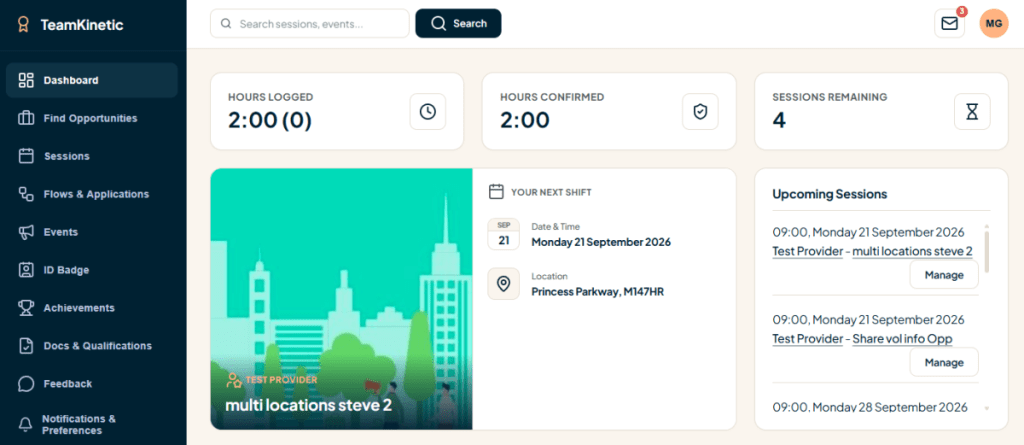
Its time again already for a supercharged new release from TeamKinetic. This release focuses on the volunteer experience with a brand new, entirely revamped and nicer looking interface.
It combines all the great functionality that volunteers had access to in a familiar way but improves all aspects of the look, feel and experience. We have maintained our high standards of accessibility but at the same time upped the small and friction free interactions that make you go ahhhhhh.
We will have a proper write up for the new interface closer to release time and will also be providing some materials and guides for our admins to distribute to your volunteers so they don’t get a massive surprise logging in on the Monday morning of release.
In addition to the massive changes to the volunteer interface we’ll also have plenty of fixes, improvements and new stuff for the administrators.
We’ll have an automated way for you to upload/migrate volunteers, per-opp chat room options, new search filters, some options around what to do with FULL opportunities in the search for volunteers, changes to sharing and linking to improve the process and some extra reporting sauce. Stay tuned closer to November for more details of this release.
Hello and welcome to TeamKinetic’s monthly Newsletter.
This roundup is designed to keep you up-to-date with what’s going on at TeamKinetic, our partners, and across the third sector in general. So grab a brew and tuck into all the latest news.
We hope you find value in this TeamTalk. As always, we really appreciate feedback, so feel free to leave a comment, shoot over an email, or message via social media.
If you’d like to subscribe to the TeamTalk newsletter, please send an email over to me at alex@teamkinetic.co.uk, and we’ll get you on the list!
To read our roundup of stories we think you need to know about, click to go to the next page below, or choose a story from the list:
Hello and welcome to TeamKinetic’s monthly Newsletter.
This roundup is designed to keep you up-to-date with what’s going on at TeamKinetic, our partners, and across the third sector in general. So grab a brew and tuck into all the latest news.
We hope you find value in this TeamTalk. As always, we really appreciate feedback, so feel free to leave a comment, shoot over an email, or message via social media.
If you’d like to subscribe to the TeamTalk newsletter, please send an email over to me at alex@teamkinetic.co.uk, and we’ll get you on the list!
To read our roundup of stories we think you need to know about, click to go to the next page below, or choose a story from the list:
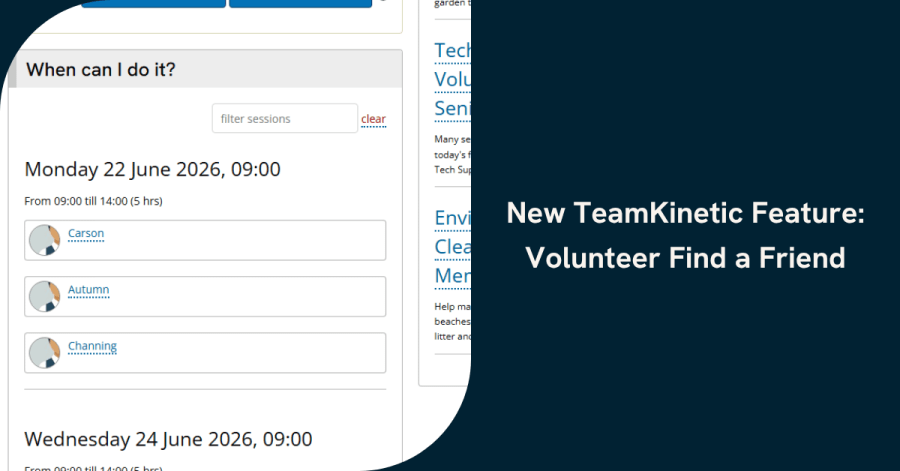
In April, we released a fantastic new update to the TeamKinetic volunteer management system that included three features we’re really excited about: Flows, Multi-Location Opportunities, and volunteer Find a Friend.
We’ve already covered the first two in other content, now it’s time for us to shine a light on the feature that we think will really boost community amongst your volunteers…
What is ‘Find a Friend’ in TeamKinetic?
Find a Friend does what it says on the tin – it allows volunteers to see other volunteers who have signed up to an opportunity. And now you’re probably thinking: “Hold on, what if I don’t want to share those details? What if my volunteers don’t want to share their details?”
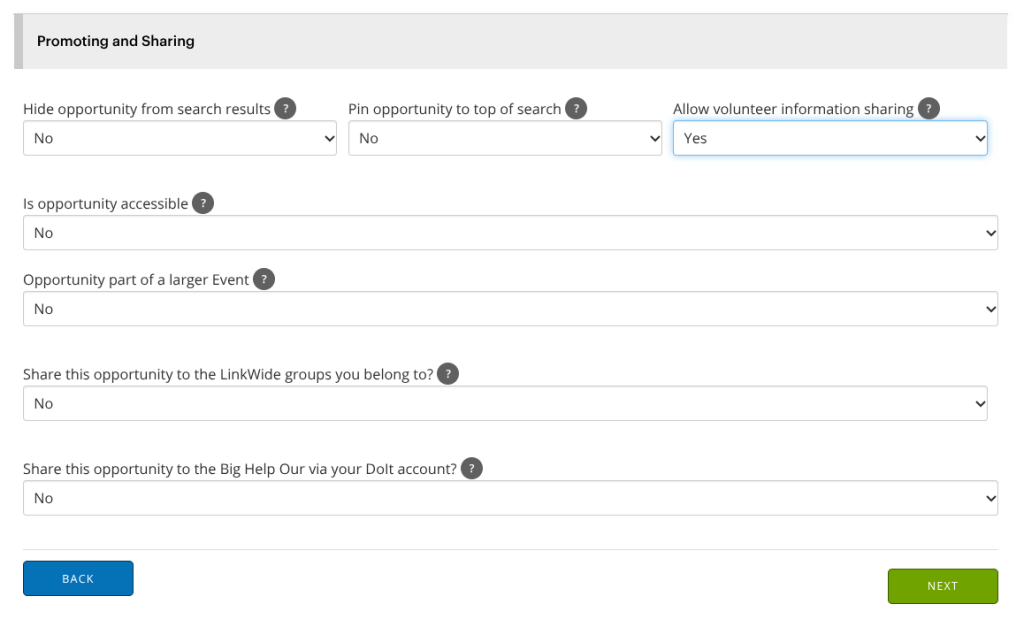
Well don’t worry! There are plenty of settings to restrict this in a way that works for you, whether you turn it off completely or limit what is seen, and your volunteers have to opt-in too. You can also toggle sharing in every individual opportunity, so its very flexible.
Ultimately, Find a Friend aims to boost your volunteering community and build stronger bonds between your volunteers.
What are the restrictions?
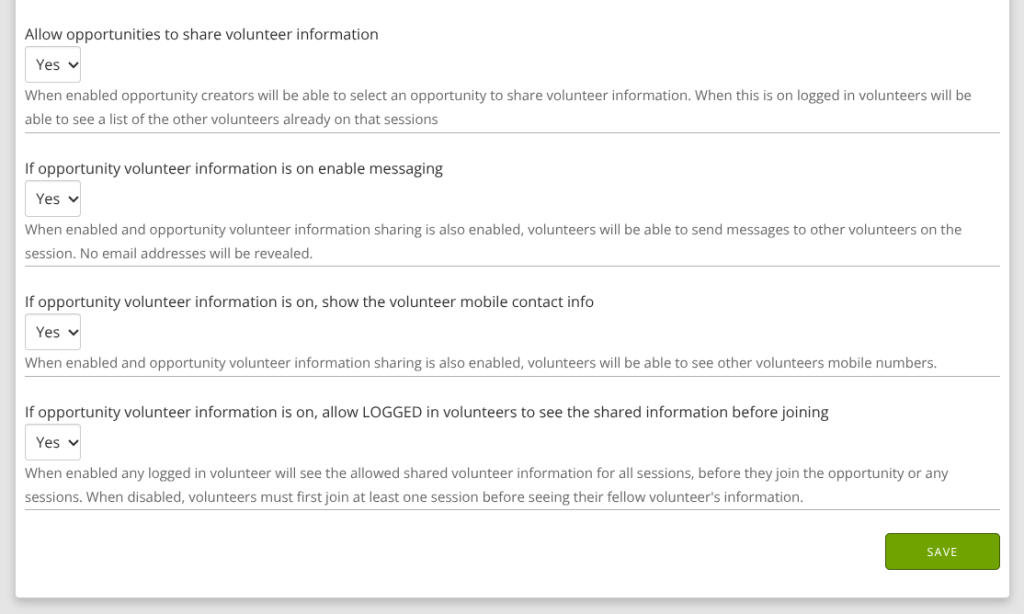
If you’re a Super Admin user, you can head on over to Settings – Options – Opportunities and scroll all the way to the bottom. There, you’ll see a set of options around this feature, and you can control it to fit your organisation.
You can choose:
whether it’s on at all and showing the volunteer photo and name
whether to enable messaging between volunteers
whether to share volunteers’ mobile numbers
when volunteers can see this information
Once the overall setting has been turned on, the usage is decided on an opportunity-by-opportunity basis. When creating an opportunity, you can choose whether it is switched on or off.
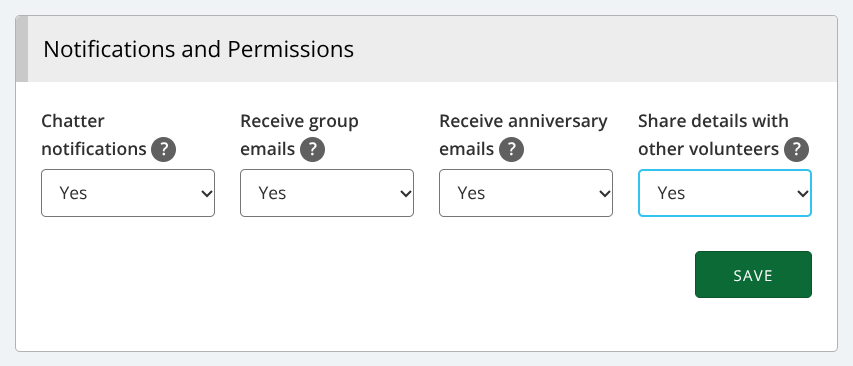
By default, all volunteers are opted out of allowing their details to be shared. When a volunteer joins an opportunity that has this feature enabled, they’ll receive an email asking them to opt in.
Volunteers can update their choice at any time from their dashboard in the Notifications and Permissions section.
Why use Find a Friend?
Using this feature can encourage group volunteering and foster a greater sense of community amongst your volunteers.
Many people new to volunteering may want to volunteer alongside their friends to begin with. This enables them to find out which sessions their friends are on and book onto the same sessions.
Alternatively, a volunteer may make friends while volunteering for you and want to stay connected with these friends, continuing to volunteer alongside them.
We understand that not everyone will want to share data, and that some organisations will want to share more data than others. That’s why we’ve developed a variety of settings in relation to the Find a Friend feature.
However, if you think there’s still room for improvement, please let us know. This is a new feature after all, and we’re always looking for ways to keep developing TeamKinetic! You can send feedback directly to our development team via Support Tickets. Or you can send an email to any of the team, or pop into the live chat to let us know your thoughts.
We’re also hosting a masterclass all about the volunteer Find a Friend feature for all TeamKinetic users. You can book onto that now for free via Help & Support → Masterclasses & Training.
We are delighted to announce that nominations are now open for the HVG Volunteer Leader of the Year Award, proudly supported by TeamKinetic.
Press release shared on behalf of the Heritage Volunteering Group.
The annual award celebrates the achievements of those who have made a difference and recognises innovative and outstanding examples of volunteering leadership and management within the heritage sector.
Last year’s winner, Michelle Armstrong at the Auckland Project, said on receiving the award:
“To be nominated was an award in itself, especially alongside such inspiring people from organisations across our community. Receiving Volunteer Leader of the Year 2025 was beyond expectation and truly humbling. I’m thrilled that not only my work, but that of all volunteer leads at The Auckland Project, was recognised.”
Whether paid or unpaid, Volunteer Coordinator, Supervisor or Manager, if you know someone who has made a real difference to their volunteers, community or their organisation then we want to know about it. This year, the winner will receive a £100 gift card including an hour’s consultation with Rob Jackson Consulting Ltd and the runner-up will receive a £25 gift card.
The winner will be announced at our annual conference, Heritage Volunteering 2026: From Passion to Purpose, which is taking place online on 24-25 November. This year’s theme explores what effective volunteer engagement looks like today and how we deepen the impact volunteers make. It will feature a range of keynote speakers, workshops, and panel discussions. Tickets are on sale now at an early bird price of £30.
Hello and welcome to TeamKinetic’s monthly Newsletter.
This roundup is designed to keep you up-to-date with what’s going on at TeamKinetic, our partners, and across the third sector in general. So grab a brew and tuck into all the latest news.
We hope you find value in this TeamTalk. As always, we really appreciate feedback, so feel free to leave a comment, shoot over an email, or message via social media.
If you’d like to subscribe to the TeamTalk newsletter, please send an email over to me at alex@teamkinetic.co.uk, and we’ll get you on the list!
To read our roundup of stories we think you need to know about, click to go to the next page below, or choose a story from the list:
Hello and welcome to TeamKinetic’s monthly Newsletter. In between keeping tabs on local elections and enjoying the end of the football season, we’ve still been busy at work on the system and in the wider sector. Not to mention… Happy Volunteers Week! We hope you’re recognising all your lovely volunteers this week!
This roundup is designed to keep you up-to-date with what’s going on at TeamKinetic, our partners, and across the third sector in general. So grab a brew and tuck into all the latest news.
We hope you find value in this TeamTalk. As always, we really appreciate feedback, so feel free to leave a comment, shoot over an email, or message via social media.
If you’d like to subscribe to the TeamTalk newsletter, please send an email over to me at alex@teamkinetic.co.uk, and we’ll get you on the list!
To read our roundup of stories we think you need to know about, click to go to the next page below, or choose a story from the list:
In the world of volunteer management, saying “thank you” is more than just good manners; it is a fundamental strategic tool. Research shows that while volunteers are rooted in altruism, they have a deeply human need to feel seen and valued. In fact, the absence of recognition is often more noticeable than its presence; volunteers may not seek constant praise, but they certainly notice when their efforts are taken for granted.
Effective recognition is the “social currency” that fuels a healthy volunteer programme. By acknowledging a volunteer’s time and emotional labour, you move from a transactional relationship to a psychological contract based on mutual respect and shared purpose.
Crafting the Perfect Message: The “Ice Cream Sundae” Approach
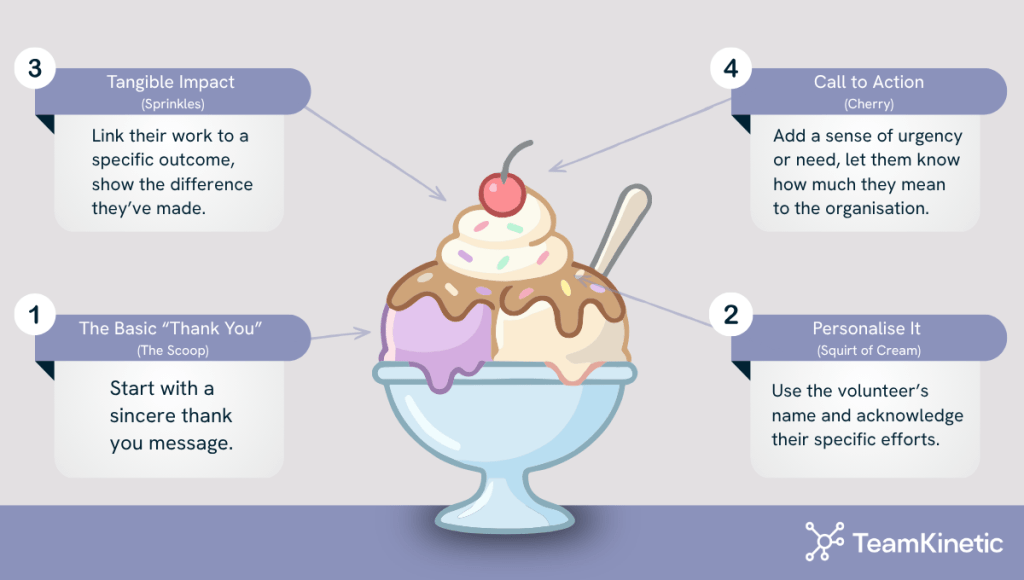
To move beyond “cookie-cutter” feedback, we recommend thinking of your feedback structure like an ice cream sundae.
…We promise it makes sense:
The Scoop of Ice Cream – The Basic Thank You Start with a sincere “Thank you”.
A Squirt of Cream – Personalise It Use the volunteer’s name and acknowledge their specific effort. For example: “Marjorie, you were absolutely great today”.
Some Sprinkles – Tangible Impact Link their work to a specific outcome. Instead of a general “thanks for your help,” try: “You made such a difference to the Rivers Cleanup Team today by clearing that difficult stretch of the bank”.
The Cherry on Top – The Call to Action with Scarcity Make them feel indispensable. Add a sense of urgency or need: “Without you, we can’t achieve this. We really want you back with us next Tuesday”.
The Science of Recognition: Nudge Theory and Behavioural Economics
Why does this specific wording work? It leverages powerful principles from nudge theory and behavioural economics:
Dopamine Hits
Recognition triggers a dopamine release in the brain, creating a positive feedback loop that makes the volunteer want to repeat the behaviour.
Loss Aversion
By wording your message to say, “Without you, we can’t do this,” you tap into loss aversion (the psychological principle that people feel the pain of a loss more than the joy of a gain). If they don’t return, they aren’t just “not volunteering”; they are “losing” the chance to make a unique impact that only they can provide.
Reciprocity
When a manager provides immediate, high-quality recognition, it triggers the rule of reciprocity, making the volunteer more likely to want to give back by returning for another session.
Feedback Loops
The TeamKinetic Thumbs UP feature provides immediate recognition, which is far more effective at reinforcing behaviour than a distant annual awards ceremony. This “micro-recognition” builds daily morale and fosters a pervasive culture of appreciation.
Why Low-Level Recognition Matters
Investing in regular, low-level recognition, like a quick thumbs up, is a strategic investment in sustainability. Evidence from NCVO’s Time Well Spent research indicates a direct link between feeling recognised and being satisfied. Satisfaction is the primary driver of retention; while 90% of very satisfied volunteers say they are likely to continue, that number drops to just 26% for those who are dissatisfied.
For younger volunteers (aged 18-34), recognition is even more critical, yet they often report feeling the least recognised. By using digital tools to provide frequent, impact-led feedback, you can bridge this gap and build a stronger, more committed volunteer community.