
Over the last couple of years, we’ve jumped into the festival space, partnered with the Association of Independent Festivals, and gained a better insight into how the festival world operates. Naturally, we also wanted to explore the landscape of Festival Volunteering and see whether our digital approach fits into their world.
Since welcoming several new Music and Arts festivals as partners this year, I wanted to better support them by learning more about their day-to-day operations.
To do that, I decided to get involved myself.
Over the summer, I signed up for two very different festivals and joined their volunteer teams, connecting with other volunteers and learning more about why they love these events.
The UK Festival Scene
The UK festival scene is a special and sentimental space for many of us, with roots stretching back to the Jazz and Folk events of the 1950s and 60s. The launch of Glastonbury Festival in 1970, then known as ‘Pilton Festival’, pioneered our modern concept of a festival, a movement that influenced the live music and arts industry globally.
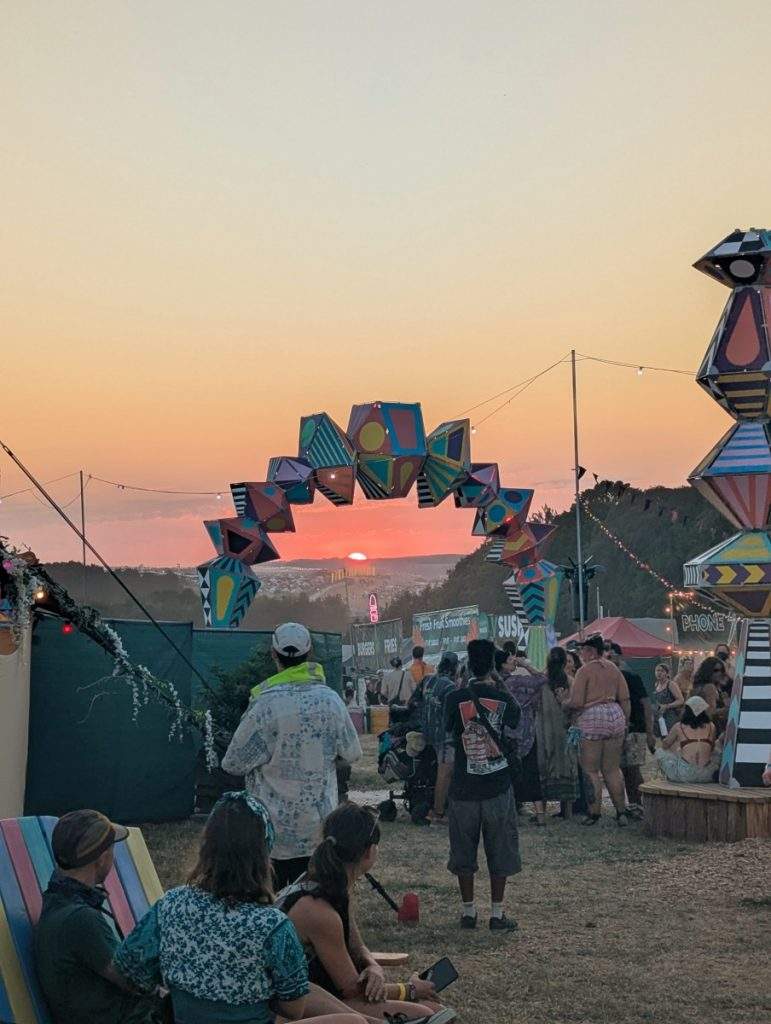
Today, most people have a tale of that one heroic event that shaped them. Regardless of age and despite debates over which event was “better” or how things “used to be,” everyone I spoke to returns year after year for the same reasons: pure joy, connection, escapism, and a sense of freedom rarely found in everyday life.
Before discussing volunteering, we simply wanted to hear how long people had been involved in festivals and what their ‘why’.
“I’ve been attending for about 20 years. It’s the hedonism, the escape, the freedom, touching grass and dancing, the connection with like-minded people. Initially it was the music, but over time it’s definitely the least important factor. Spending time with loved ones in a beautiful space for escapism.”
“9 years. I love the separation from normal day to day life where you can relax, wander and wear outfits you enjoy that you don’t have an excuse to wear anywhere else.”
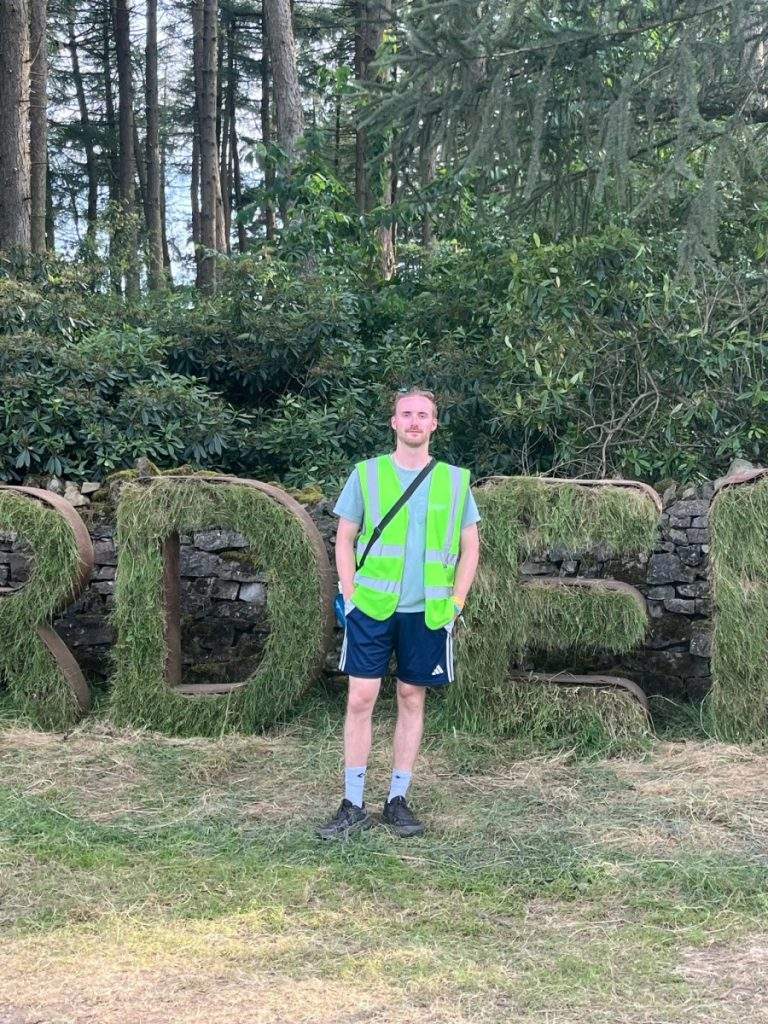
While I can’t compete with 20 years, I have 8 years of experience under my belt. For me, the main draw is complete immersion, an opportunity to disconnect from daily routine for 3 to 5 days while spending quality time with friends. The connections I’ve made while camping in fields have led to some of my longest-lasting friendships.
Why should we volunteer at festivals?
So why volunteer when you could just enjoy the music and all of the above?
Well, there’s one obvious reason: you often get a free ticket to the event, and with the cost of living rising, this prevents people from being priced out of the events they look forward to each year. It’s, of course, the most obvious reason from an outside perspective, since it’s easily measurable, but it was the immeasurable reasons people shared that felt the most genuine and impactful.
Volunteering became an extension of community and connection with volunteers prioritising the sense of belonging and the opportunity to meet new people, often forming long-lasting friendships with like-minded individuals and fellow crew members. One volunteer I spoke to had also used volunteering to open the door to countless new skills.
“I’ve helped build a bar from oak pieces, worked on that same bar, worked in kitchens, helped convince people to take their tents home and sort their rubbish for recycling, worked on decor, and helped run a workshop – all sorts!”
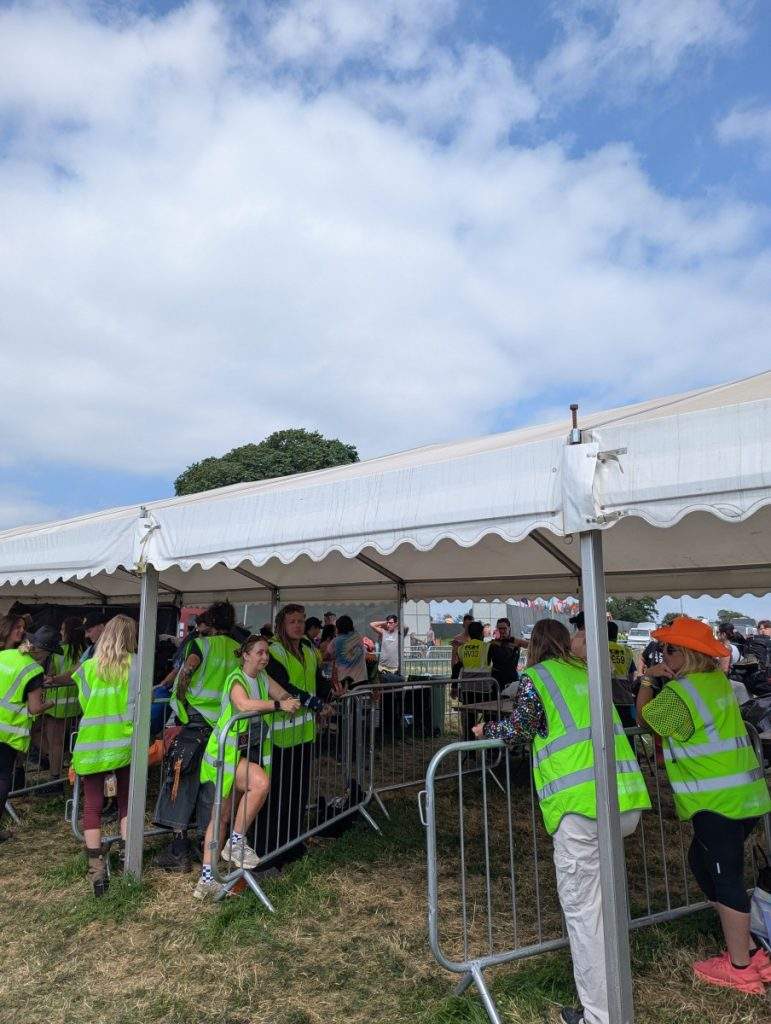
The reasons that people volunteer at festivals also vary by their age or life stage. On the final morning of Kendal Calling, I found myself sitting in the camp with some fellow volunteers whom I had recognised two weeks earlier at Beatherder. These guys knew the circuit and were part of the furniture as festival volunteers go, carrying nicknames people knew them by exclusively.
Their camp setup had been refined over the years, even including guitars and portable amplifiers to jam in the campsite; I couldn’t help but join in. One of them had retired and had met the other years earlier, while volunteering at another festival. Having reached the end of his career, what better way to spend time than travelling up and down the country meeting new people, sharing stories, and “having a right laugh” as he put it.
What I found most interesting personally was seeing the festival’s inner workings, the behind-the-scenes operations and different teams that bring it all to life. Combined with the staff campsite community, ‘Access most areas’ wristbands, and warm showers, it’s hard to go back to being a regular attendee.
The Dealbreakers
But it can’t all be positive, right? I also explored what holds people back from volunteering at festivals, and there’s a clear divide.
Some things are unavoidable, like missing parts of the show; there is a definite fear of missing out, which is why people often turn up a few hours early to claim favourable shifts. Another element that people reported holding them back in the past was the anxiety that stems from the fear of the unknown, but given that we spoke on the other side of that mental barrier, it’s clear it was worth it in the end.
On the flip side, some aspects felt avoidable. We explored the barriers to entry, i.e., financial requirements like deposits, complex application processes, and general hesitation about committing to an unknown experience. If you paired a festival with a modern system and some clear communication, could this be resolved? We’d like to think so. The above points are very volunteer-centric, and while we’re here to support volunteers, we also need to consider the challenges organisers face that contribute to these outcomes.
Volunteer management challenges
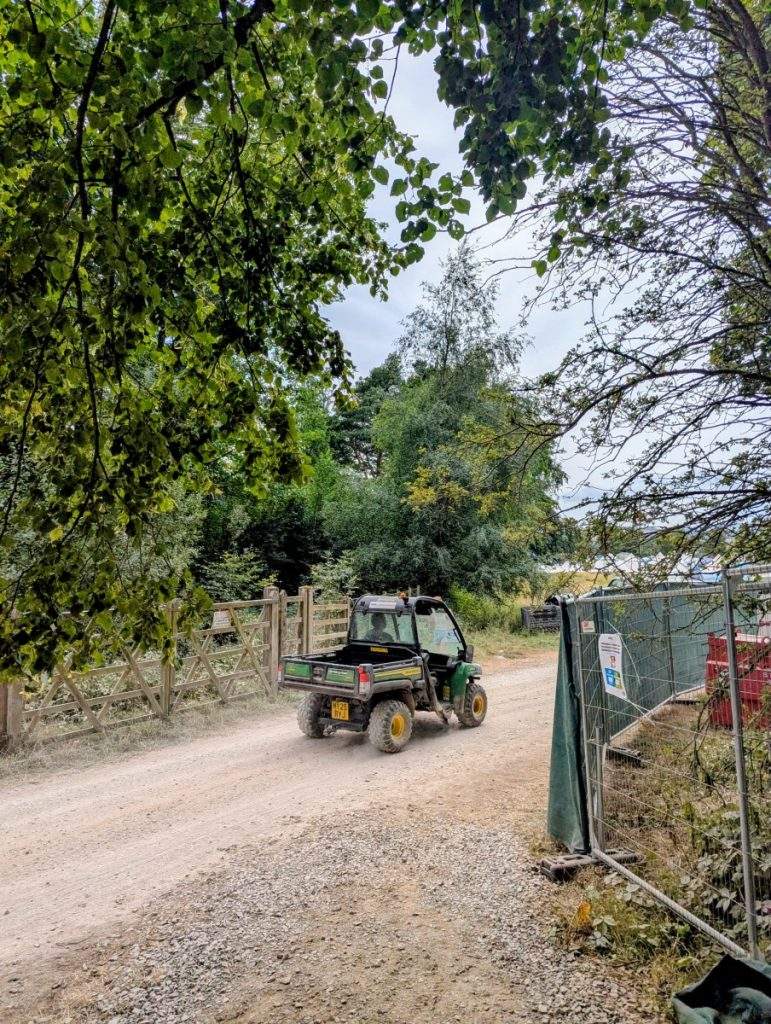
Quite by chance, I ended up chatting with a member of a management team who opened up about the hurdles organisers face. A major theme was the clunky, fragmented workflows and the weight of the admin. Without centralised digital tools ready to go, shift allocation and volunteer training often happened right on the ground. This created major bottlenecks and strained the accreditation and check-in process. Even though the events I joined were impressively managed, it became obvious how easily larger festivals, especially those with many new recruits, could quickly find themselves under serious pressure.
Collaborating to improve
For us, these challenges reinforce our need to support the sector. We believe that technology should not be an added burden, but the invisible thread that holds these operations together.
Through our partnership with the Association of Independent Festivals (AIF), we aim to create a modern, accessible platform that connects festivals through a centralised network of reliable volunteers. This provides festival organisers and staffing providers with a trusted brokerage portal and offers volunteers a platform to discover new opportunities.
Organisations can access intuitive tools for recruiting, shift scheduling, and volunteer management at a reduced rate, fostering a connected community.
Volunteers can take charge of their experience, track their achievements, and leverage a unified network to discover their next role.
This helps address issues highlighted by volunteers by making roles more visible, simplifying application processes, and potentially waiving deposits for committed individuals.
We tested our ideas with a handful of real volunteers…
100%
of volunteers said it would be beneficial to have access to a variety of opportunities from different festivals via one portal.
100%
of respondents said only having to register once would make it easier to explore new volunteering opportunities.
We also discussed the currency of trust in volunteering and the potential to waive the deposit for trusted volunteers.
Many of the volunteers felt that removing the deposit requirement would significantly reduce a major barrier to participation, particularly for those with limited financial means, for whom current upfront costs are prohibitive.
“I’d love that! That is why I can’t go to some festivals this year, because deposits are super high, and I just can’t afford it, even though I have volunteered a couple of times already.”

There were also reservations about its implementation. “Defining a “trusted volunteer” could be subjective and potentially create a sense of division among staff.”
It’s definitely something to consider, and constructive feedback can be the most influential in shaping new ideas.
Ultimately, the future of festival volunteering requires digital efficiency paired with the human connection that makes these events so special. By simplifying the administrative burden for organisers and removing barriers for volunteers, we can foster a more inclusive and connected festival community.
We are excited to continue this journey, listening to your feedback and building the tools that support everyone involved in creating these unforgettable experiences.
If you’d like to get in touch about volunteer management for festivals, contact finn@teamkinetic.co.uk
Otherwise, you can visit the TeamKinetic website or find us on socials:
Leave a Reply